
“The past is for most Americans, unfortunately, rather meaningless,” the poet Robert Hayden said in 1976. “But some of us are aware of it as a long, tortuous, and often bloody process of becoming.
from Pocket https://bit.ly/3PpYXde
via IFTTT

What I see when I get a moment to pause and make a little sense of the world
“The past is for most Americans, unfortunately, rather meaningless,” the poet Robert Hayden said in 1976. “But some of us are aware of it as a long, tortuous, and often bloody process of becoming.
from Pocket https://bit.ly/3PpYXde
via IFTTT

Disproportionately Impacted. Dear Anarcha Without Anesthesia During Surgery with Sims. Dear Fannie and the Mississippi Appendectomies with the Sick and Tired Ceaseless Sonnet Crown.
from Pocket https://bit.ly/448AsVL
via IFTTT
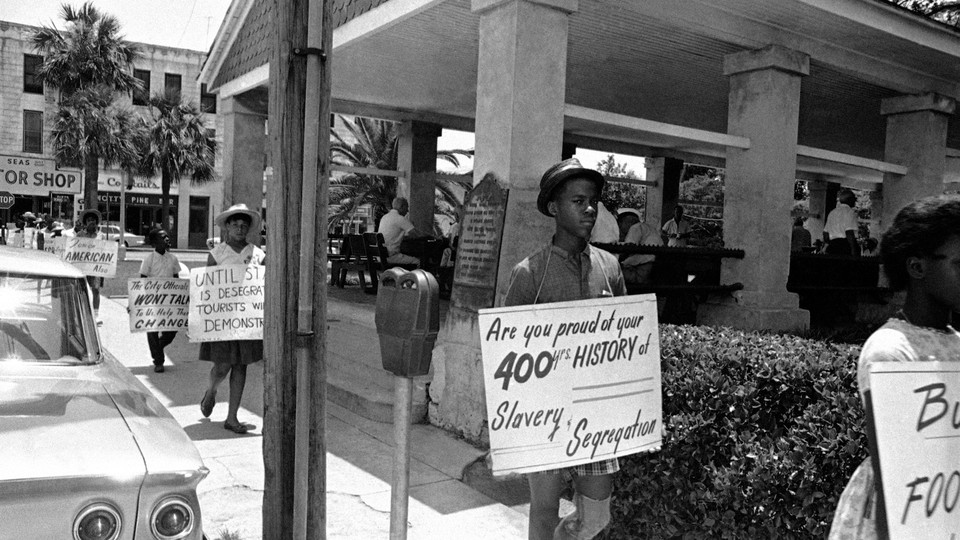
In 2019, Juneteenth will be celebrated as emancipation was in the old days: with calls for reparations. As the country marks 154 years since news of the end of slavery belatedly came to Texas, the House Judiciary Committee will hold a hearing on the subject of reparations for black Americans.
from Pocket https://bit.ly/46i7Ifs
via IFTTT
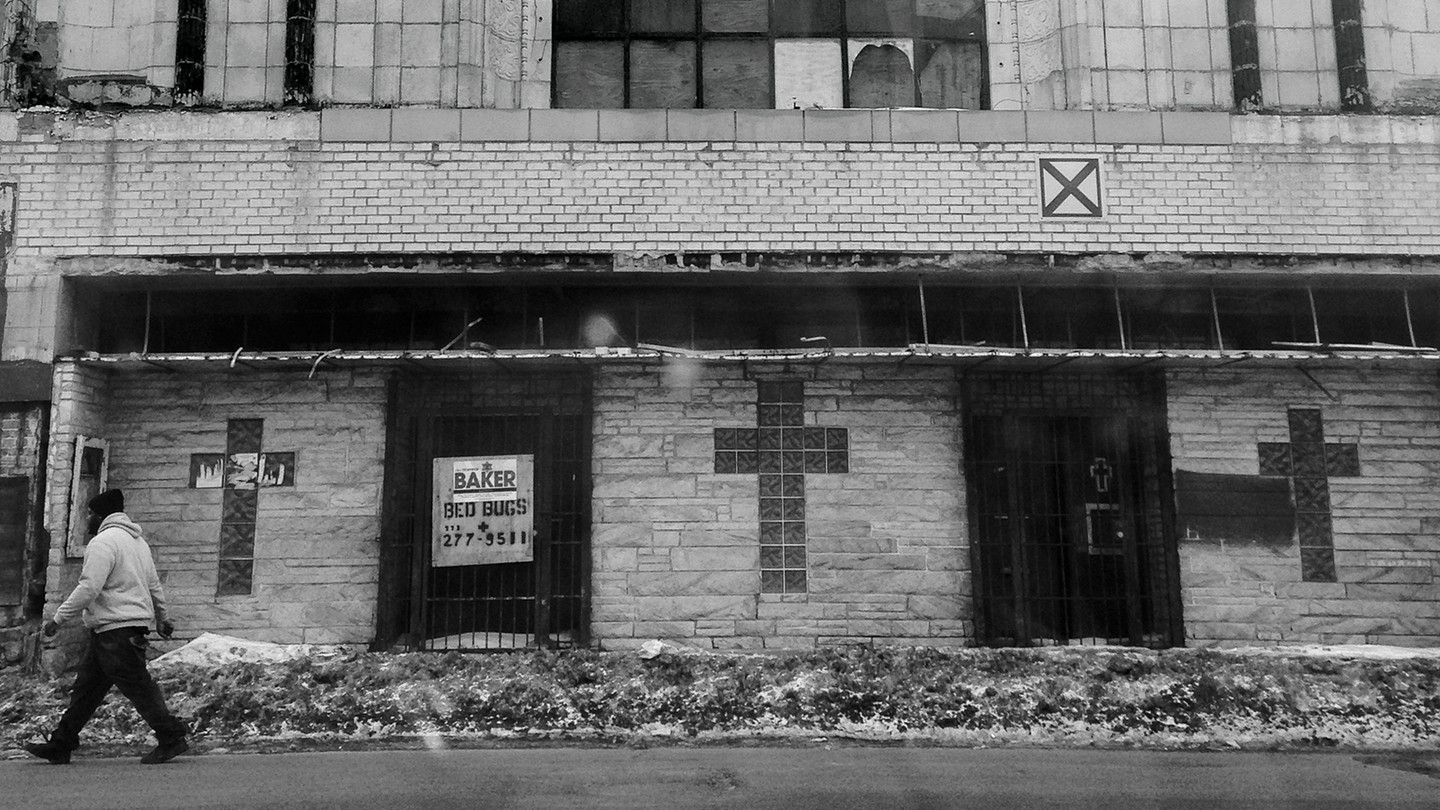
Two hundred fifty years of slavery. Ninety years of Jim Crow. Sixty years of separate but equal. Thirty-five years of racist housing policy. Until we reckon with our compounding moral debts, America will never be whole.
from Pocket https://bit.ly/42PfMRJ
via IFTTT
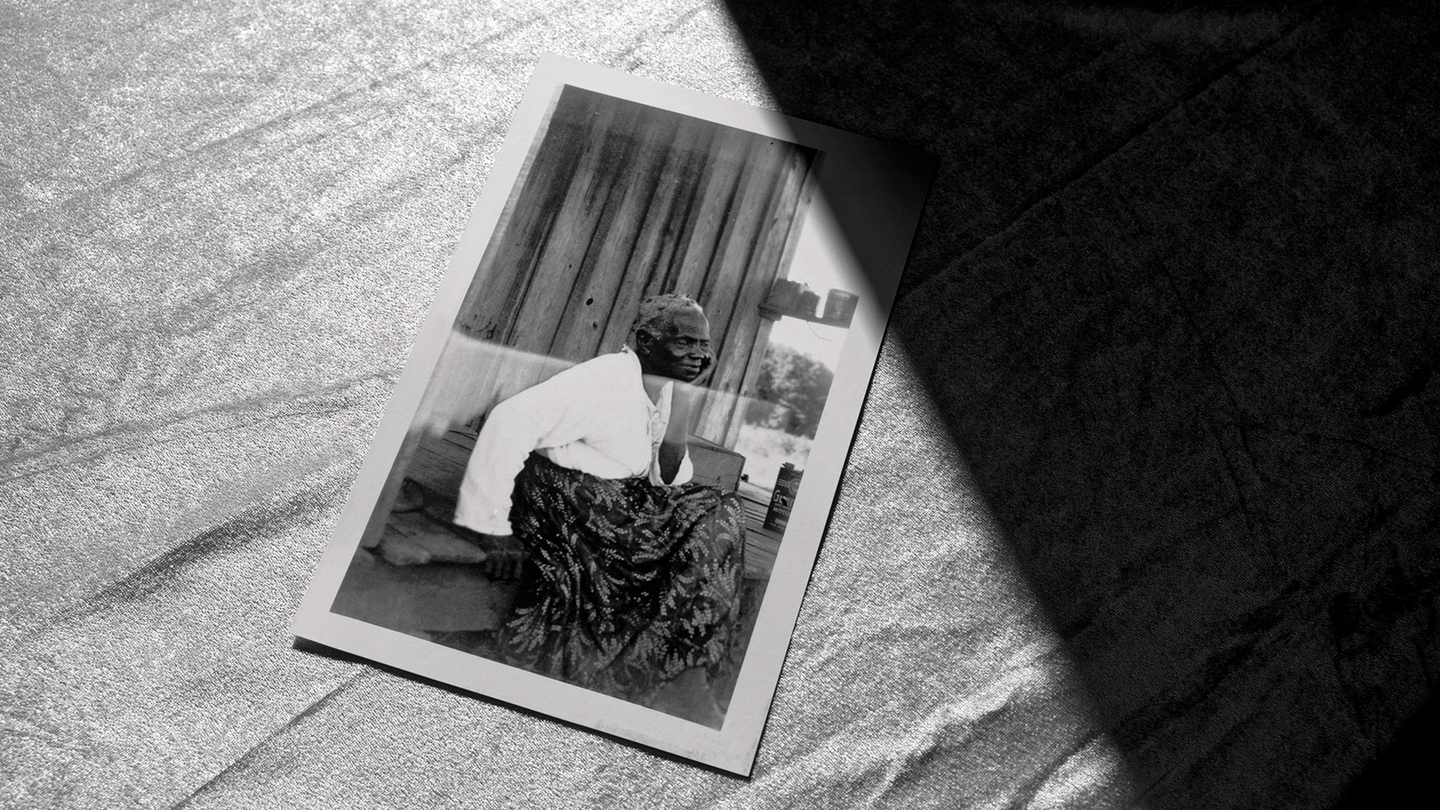
This article was published online on February 9, 2021. On a rainy Thursday afternoon in November, I stepped inside the National Museum of African American History and Culture, in Washington, D.C.
from Pocket https://bit.ly/468Q4dX
via IFTTT
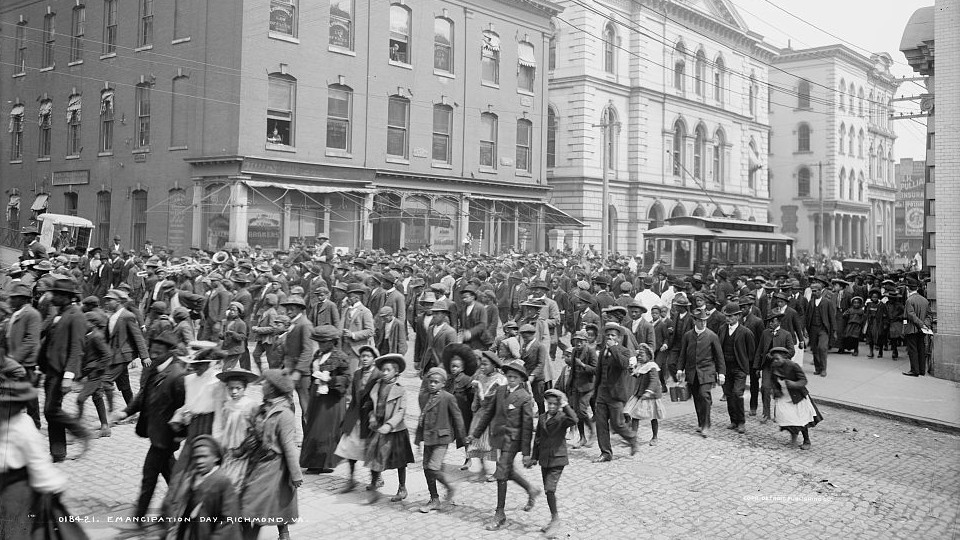
In 2002 I was at the University of Iowa conducting research on the history of Emancipation Day celebrations in the state.
from Pocket https://bit.ly/3pfIwoZ
via IFTTT
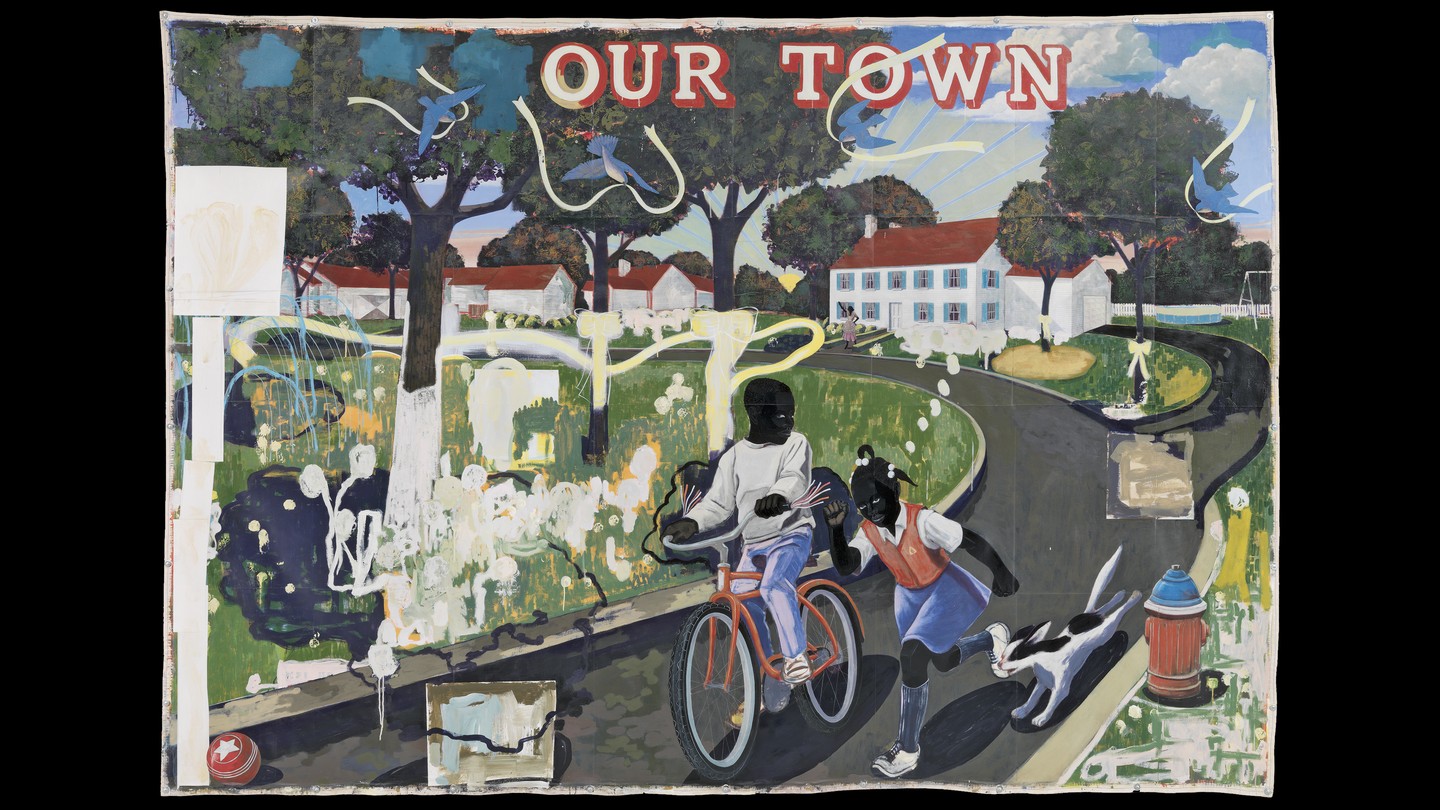
Two centuries ago, a woman named Esther claimed her freedom. The enslaved woman filed a suit against her enslaver, Bernard H. Buckner, on behalf of herself and her two children in federal court.
from Pocket https://bit.ly/3qTxrKS
via IFTTT

During oral arguments for the biggest Supreme Court cases, the justices’ questions are often pointed, meant to advance their own view of the case. Conservative justices ask friendly questions of lawyers on the conservative side and burrow into the logical weaknesses of the liberal side.
from Pocket https://nyti.ms/44ffA01
via IFTTT

In certain regions of the Western Christian world, the opinion prevails that historians have been behaving badly of late. This opinion, in fact, extends to academics at large.
from Pocket https://bit.ly/3VzY9lM
via IFTTT

 Front Porch Reflections
You must be logged in to post a comment.