
“Once a poem is made available to the public, the right of interpretation belongs to the reader,” the teenage Sylvia Plath wrote to her mother upon the publication of her first tragic poem.
from Pocket https://bit.ly/3Pccpxo
via IFTTT

What I see when I get a moment to pause and make a little sense of the world
“Once a poem is made available to the public, the right of interpretation belongs to the reader,” the teenage Sylvia Plath wrote to her mother upon the publication of her first tragic poem.
from Pocket https://bit.ly/3Pccpxo
via IFTTT

“It is almost banal to say so yet it needs to be stressed continually: all is creation, all is change, all is flux, all is metamorphosis,” Henry Miller wrote as he contemplated humanity’s future.
from Pocket https://bit.ly/3QcGTQJ
via IFTTT

In the first days of a bleak London December in 1827, a small group of mourners gathered on a hill in the fields just north of the city limits at Bunhill Fields, named for “bone hill,” longtime burial ground for the disgraceful dead.
from Pocket https://bit.ly/3yAOykV
via IFTTT

Many of the titans of literature have left, alongside a body of work that models powerful writing, abiding advice on the craft that examines the source of that power.
from Pocket https://bit.ly/3lpMUMP
via IFTTT
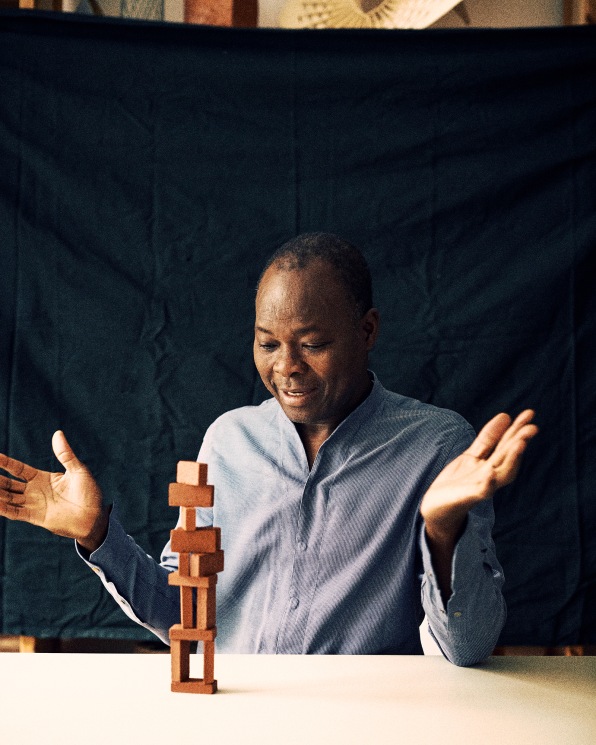
Having grown up in a village without a school, Diébédo Francis Kéré, who was just awarded the Pritzker Prize for architecture, has been promoting education for more than 20 years.
from Pocket https://bit.ly/3qh10mg
via IFTTT

Two years before she fused her childhood impression of a mechanical loom with her devotedly honed gift for mathematics to compose the world’s first computer program in a 65-page footnote, Ada Lovelace postulated in a letter that creativity is the art of discovering and combining — the work of an
from Pocket https://bit.ly/3ArqfX7
via IFTTT

Almost everything I write, I “write” in the notebook of the mind, with the foot in motion — what happens at the keyboard upon returning from the long daily walks that sustain me is mostly the work of transcription.
from Pocket https://bit.ly/32br4GS
via IFTTT

Childhood is one great brush-stroke of loneliness, thick and pastel-colored, its edges blurring out into the whole landscape of life. In this blur of being by ourselves, we learn to be ourselves.
from Pocket https://bit.ly/3FjoIE2
via IFTTT
Long before there was Yo-Yo Ma, there was Spanish Catalan cellist and conductor Pablo Casals (December 29, 1876–October 22, 1973), regarded by many as the greatest cellist of all time. The recipient of the Presidential Medal of Freedom and the U.N.
from Pocket https://bit.ly/3DTyMlC
via IFTTT
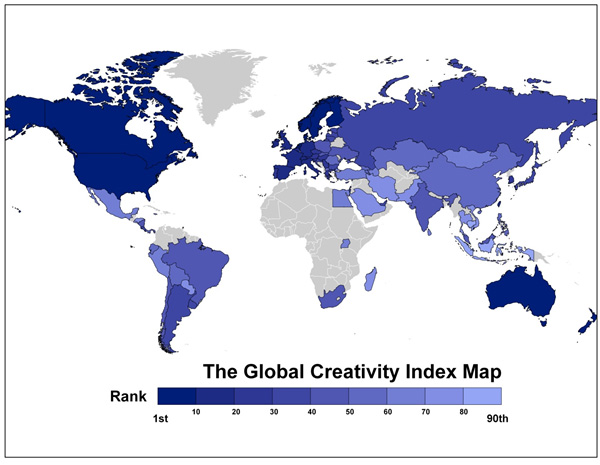
Interesting question: is the intent of our education programs to produce workers or creatives?
 Front Porch Reflections
You must be logged in to post a comment.